
To manage stress effectively, it is important to identify its causes, adopt healthy coping strategies, and practice self-care techniques.
Understanding Stress
Stress is a natural response to challenging situations. However, when it becomes overwhelming, it can negatively affect both mental and physical health. Recognizing signs of stress—such as irritability, difficulty concentrating, and physical symptoms like headaches—is the first step toward managing it.
Practical Strategies for Managing Stress
1. Identify Stressors: Understanding what triggers your stress is crucial. This may include work-related pressures, personal relationships, or financial concerns. Once you identify these stressors, you can begin addressing them directly.
2. Exercise Regularly: Physical activity is a powerful stress reliever. It helps reduce emotional intensity and clears your mind, enabling you to approach problems more calmly. Aim for at least 30 minutes of moderate exercise most days.
3. Practice Relaxation Techniques: Engage in activities that promote relaxation, such as meditation, yoga, or deep breathing exercises. These practices can help lower blood pressure and reduce stress hormones.
4. Set Realistic Goals: Break tasks into smaller, manageable steps and set achievable targets. This approach can help prevent feelings of being overwhelmed and increase your sense of control.
5. Maintain a Support Network: Surround yourself with supportive friends and family. Sharing your feelings and experiences can provide relief and help you gain perspective on your stressors.
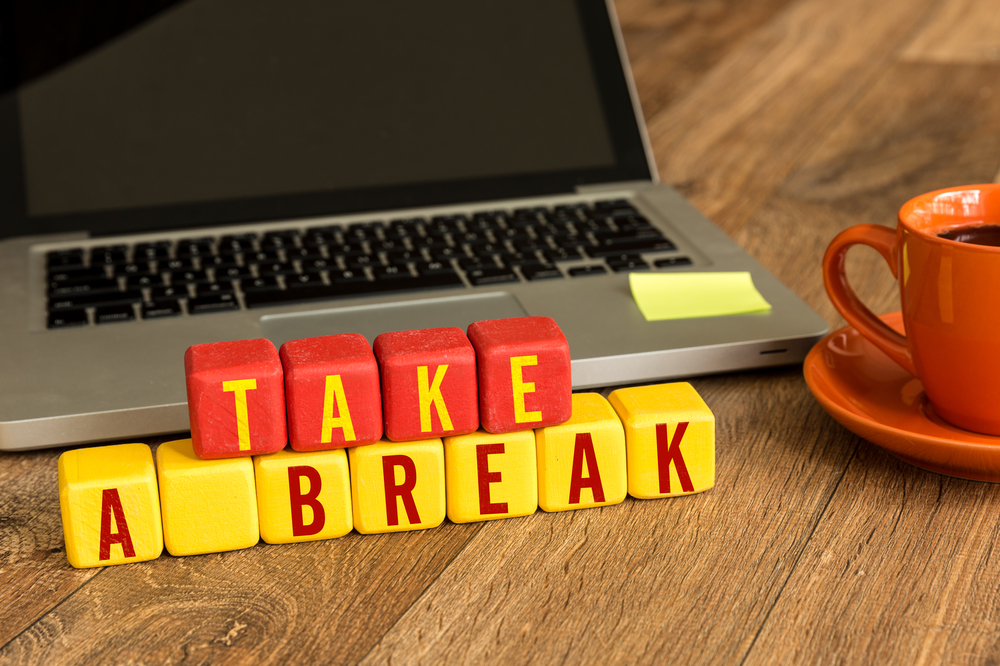
6. Take Breaks: Regular breaks during work or stressful tasks can help you recharge and maintain focus. Even short pauses can enhance productivity and reduce stress levels.
7. Prioritize Self-Care: Make sure you are getting enough sleep, eating a balanced diet, and engaging in activities you enjoy. Self-care is essential for building resilience against stress.
8. Seek Professional Help: If stress becomes unmanageable, consider talking to a mental health professional. They can provide support and strategies tailored to your specific situation.
By implementing these strategies, you can better manage stress and improve your overall well-being. Remember, it’s important to find what works best for you and to be patient with yourself as you navigate through stressful times.
Discover more from D. L. Norris
Subscribe to get the latest posts sent to your email.
Great advice 👍
Thank you, Karen!